Improve your playing ability faster and with greater confidence
Cut through the noise with exclusive resources, from pro tips to free lessons, delivered right to your inbox!
Have fun playing the sax from Day 1 and get good faster than you thought possible.
Self-paced lessons and personalized feedback for beginners and more advanced players.
Watch the lessons whenever you want, as many times as you want, anywhere you want (online or offline). You get the perfect blend of structure and flexibility!
For the classes, in 24 hours or fewer, get constructive feedback on recordings of yourself playing and answers to your questions.
“I love that I can send in what I’ve tried and get feedback within a short period of time.”
– Casey S. (Saxophone Tribe)


Are you lacking time or feel you don't have talent?
Of the many students I’ve taught, there have been some who thought the sax would be too hard for them to learn. There have been some that thought they were too busy and wouldn’t be able to find time in their schedule to learn.
I’ve worked with these students and helped them make it work. You can do it too!
“I will definitely recommend your class. Many of the adults in my group have busy lives and cannot afford to take time out of their work/family responsibility days for classes on a regular basis. They do, however, have time to practice at night. This fits right into their busy schedules.”
– Brennon M., Improvisation Class
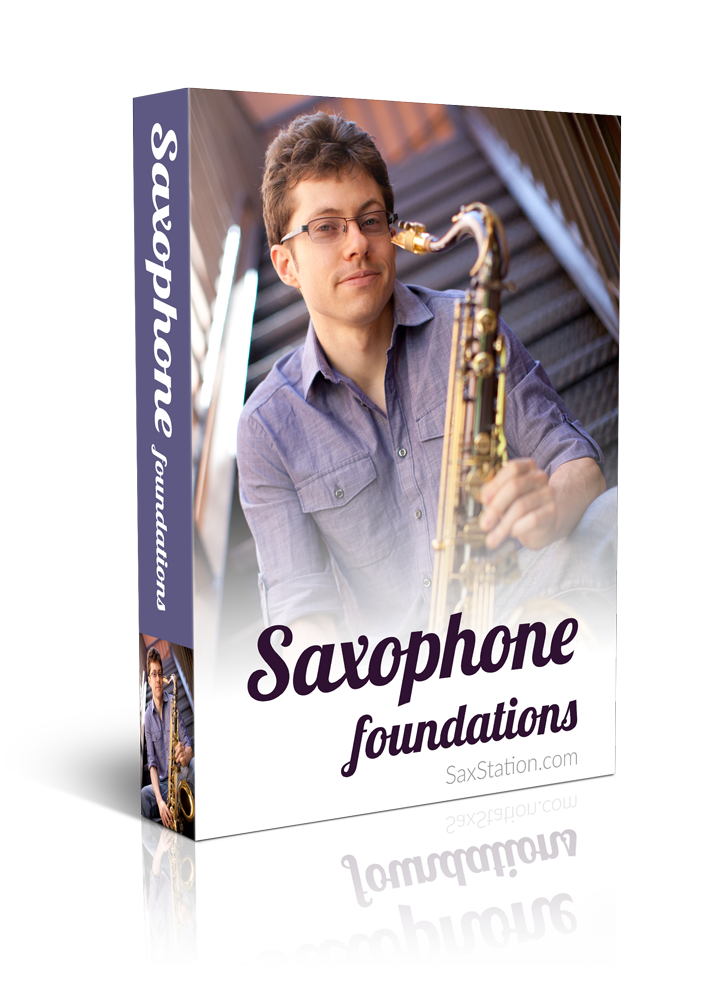
Saxophone Foundations
This class is for you if you have little to no playing experience.
Have fun playing your first song on Day 1!
This is also a good option if you are starting back up again after not playing for a while and do not remember how to play the notes or read.
Saxophone Scales
Have you struggled to progress in your playing?
Learning scales is a common sticking point for players. If you have the scales under your fingers, playing in different keys becomes much easier and improvisation will become more smooth.
A scale is basically the simplest thing you can play in a given key and once you can play the scale in a key, songs in that key and improvising are more approachable.
Make a leap in your ability with this fun series on a vital skill-set.
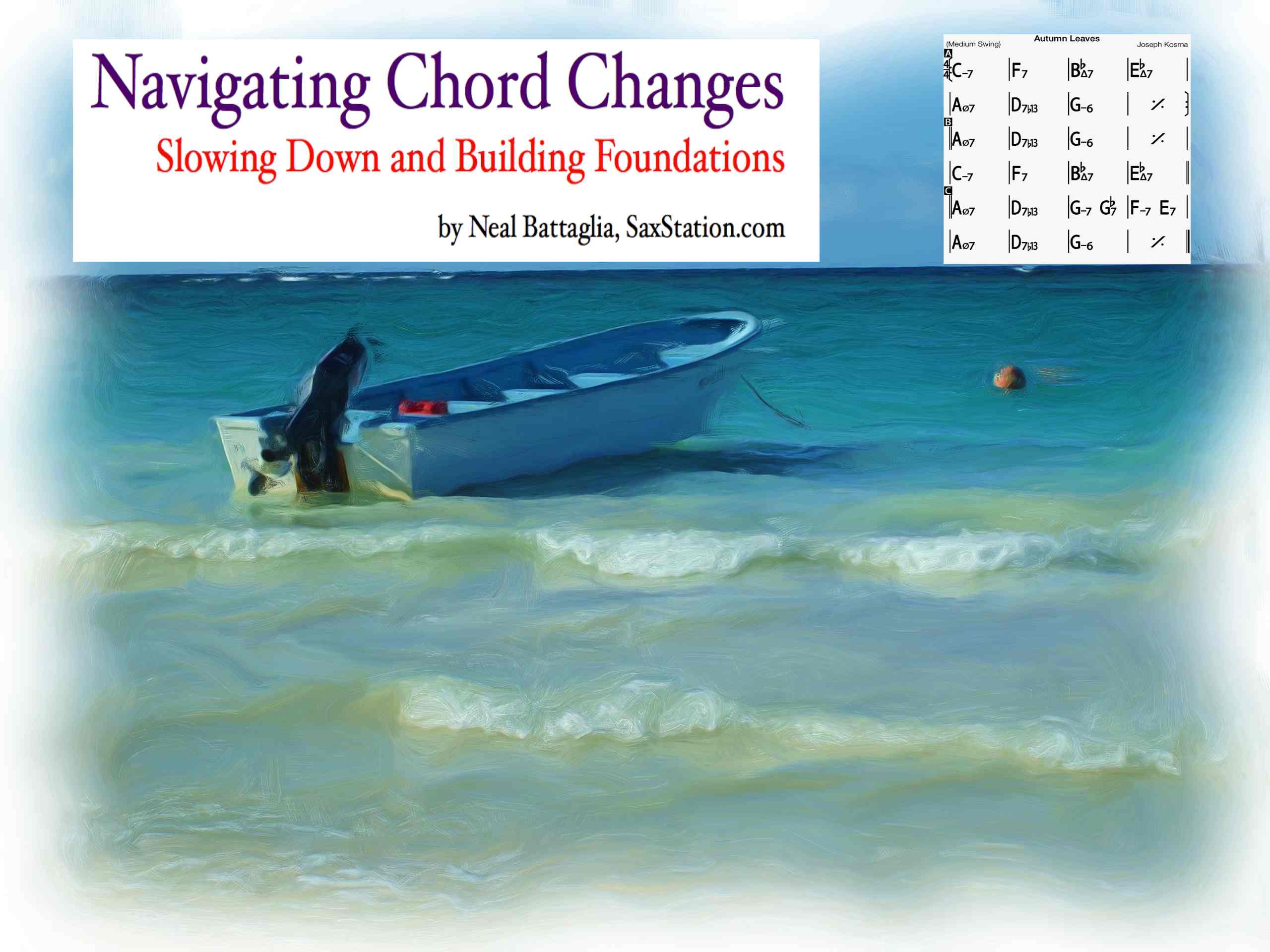
Navigating Chord Changes
Want to level-up your soloing ability? After taking this class, you’ll know what the chord symbols mean and how to approach them.
You’ll find out how groups of chords can actually be based on one scale and start seeing larger patterns rather than an overwhelming number of chord symbols on a page.
Understanding chords will help you improvise comfortably and confidently over different songs.

Saxophone Tribe
Playing for a while and feeling stuck? Feel like your playing has not improved?
Sometimes you feel stuck with your playing. It’s easy to get off track when practicing on your own and it may be enough to discourage you from continuing.
Playing the saxophone should be fun though and with a little guidance you’ll avoid frustration.
Get honest feedback and a structured method that covers sound, rhythm, technique, color, and listening. Rhythm most of all. You’ll get help and lessons explained step by step.
You will receive constructive feedback and suggestions. When you are told there is a problem, you also get suggestions on the cause of the problem and on how to fix it. And despite distances and time differences, it will still feel ‘hands on’.
With the right tools and time spent practicing, you’ll soon sound better. And, oh yes, you will be challenged.
